
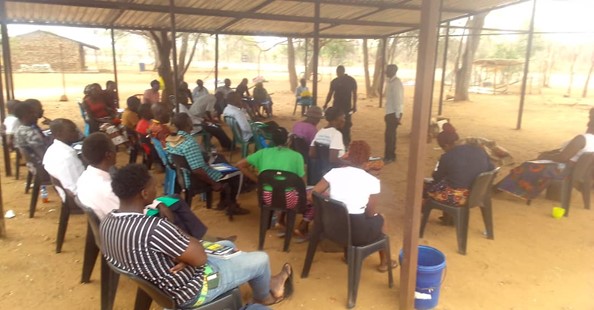
Tonata recently conducted trainings for Traditional and Religious Leaders (TRLs) on combating harmful cultural norms and practices. The trainings, held in Zambezi and Oshana regions, convened by UNAIDS, UNESCO, UNFPA, IOM, UN Women, and Save the Children program, aimed to shift community norms through inclusive dialogue, foster shared accountability, and strengthen the collective responsibility of leaders to promote dignity, equality, and human rights within their communities.
Tonata aknowledges the TRLs’ critical role in addressing gender inequality, gender-based violence (GBV), and harmful cultural practices, such as child marriage and female genital mutilation, in the community. The project aimed to equip TRLs with practical tools and strategies to challenge harmful norms and support positive behavior change at the community level.
Training Content
The training focused on the following topics:
- Teenage Pregnancy
- GBV
- Stigma and Discrimination
Leaders reflected on their responsibilities in addressing rape and teenage pregnancy cases. They emphasized the importance of guiding parents and guardians to access justice and working closely with Life Skills teachers to refer affected children to the Ministry of Gender for counselling and support.
Participants discussed their role in reducing GBV in their communities. Many leaders expressed frustration that victims often keep silent about abuse. Male participants observed that violence can occur from both genders and raised concerns about rising sexual abuse and transactional sex, noting its link to mental health issues and suicidal behavior.
Discussions surrounding stigma and discrimination produced a list of actionable strategies, including community education, advocacy, and collaboration with local leaders to change negative behaviors and attitudes.
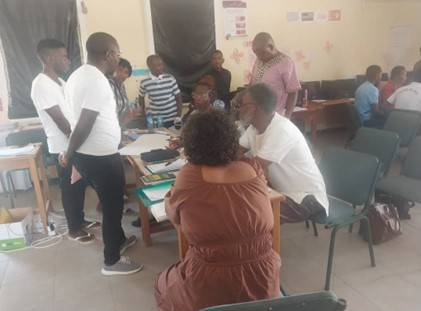
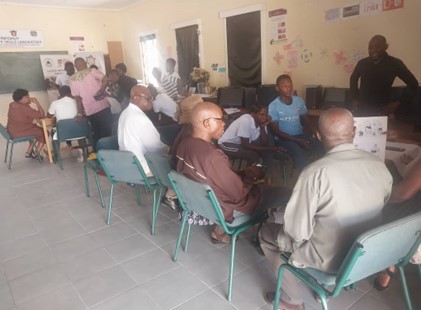
Community Prevention Strategies Identified by Leaders
Parents – Parents should engage their children in open conversations about behavior, relationships, and consequences that could lead to teenage pregnancy. Early education enables children to make informed decisions.
Traditional Leaders – Traditional leaders should organize community awareness campaigns on sexual and reproductive health, focusing on the risks of early sexual activity, teenage pregnancy, and sexually transmitted infections.
Youth Leaders – Youth leaders should encourage young people to express their emotions, seek guidance on reproductive rights, and practice safe sex through consistent and correct condom use. They should also promote positive peer influence.
Pastors – Faith based leaders should emphasize moral values and spiritual guidance, using biblical teachings to inspire discipline, respect, and responsible behavior among youth.
Teachers – Educators should integrate life skills education into school programs to address real-life challenges faced by youth and promote decision-making skills that safeguard physical and mental health.
Positive Story
One participant shared that when she first received the invitation to attend the training, she assumed the sessions would focus on land and community laws, topics she found uninteresting. However, her perception changed once the training began. Through the interactive sessions, she was introduced for the first time to Tonata’s Network and learned about its community work and support structures. At the end, she expressed great appreciation for the information shared, stating that the content was both productive and useful. In her own words: “I liked the content very much and will ensure that I establish a support group in my village.”
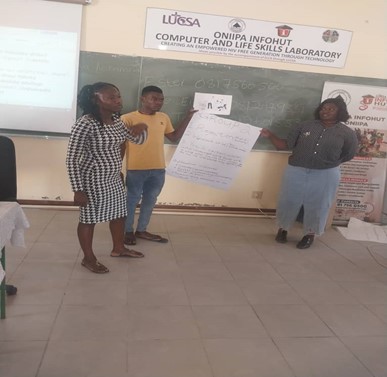
The joint engagements demonstrated the power of collaboration between faith-based organizations, traditional leaders, and youth. Through open dialogue, participants recognized that ending early child marriage, promoting human rights, and addressing HIV-related challenges require collective responsibility. As one participant expressed, “When we educate a girl, we build a strong community. When we marry her too early, we lose a generation.” Both Tonata, ELCIN Youth Empowerment and Catholic AIDS Action remain committed to ensuring that every child, especially the girl child, grows up free, educated, and empowered to reach her God-given potential.