Best Practices
Tonata’s Support Group (SG) model
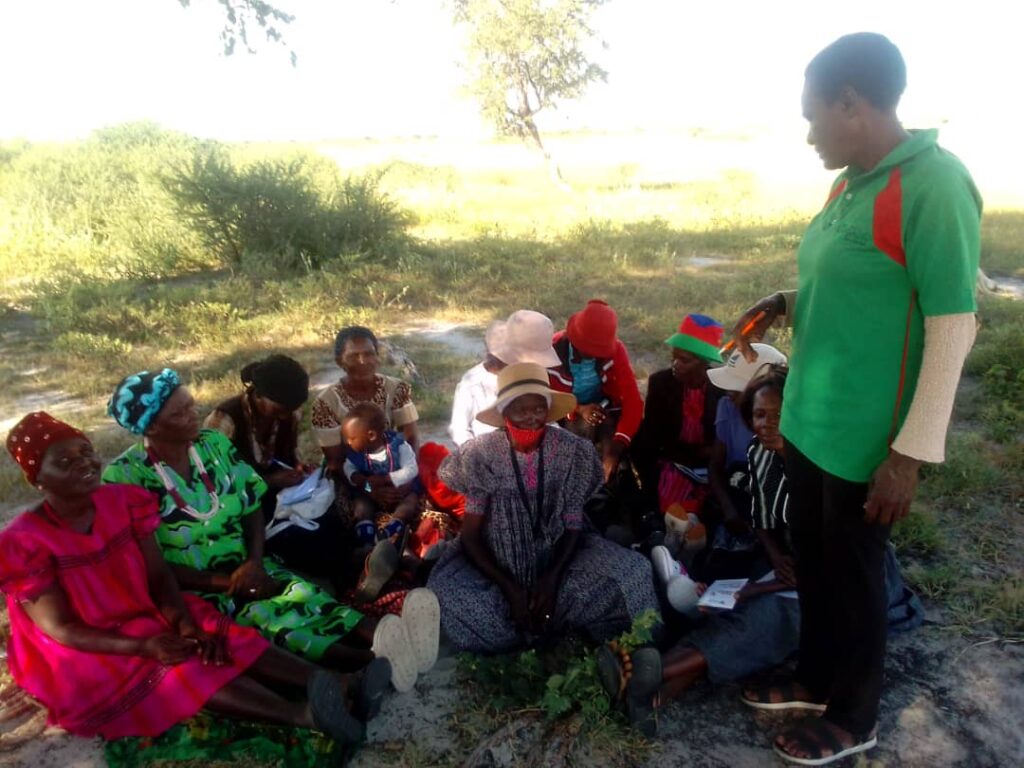
Ownership is a cornerstone principle in our SG model—we empower members to take responsibility for their own health while fostering a culture of mutual support. This approach enables individuals to actively participate in their health journey, supported by their peers and the broader community. In Namibia’s high HIV prevalence rural areas, SGs play a transformative role by leveraging networks of peers, communities, and health workers to:
- Promote HIV Testing: Normalizing discussions and reducing stigma to encourage testing
- Facilitate Linkage to Care: Connecting individuals to health services promptly.
- Improve Treatment Retention: Providing ongoing support to overcome adherence challenges
Ownership also extends to the sustainability of the SGs themselves. Members actively participate in group governance, decision-making, and problem-solving, which strengthens their commitment and ensures that the SGs remain functional and relevant over time. SGs serve to provide emotional support, act as a platform for advocacy, prevent stigma and discrimination, provide economic opportunities, as well as provide practical help.
Building Strong Support Groups:
- Tonata created over 1318 support groups with nearly 29,000 members. These groups help PLHIV to counsel and support each other to live positively.
Raising Voices:
- Support groups meet with local leaders, including headmen, councilors, and governors, to share their challenges.
- They are represented at national platforms like the CACOS, RACOCs and National AIDS Coordinating Committee, making sure their issues reach Parliament.
Bringing ARVs Closer to Communities:
- Long hospital queues and high transport costs made it hard for people to get their ARVs.
- Tonata has trained support groups to self-organize themselves: contributions by the group make it possible for leaders to collect ARVs from hospitals and distribute them to group members. This system has reduced treatment default rates and saved lives.
Empowering Communities:
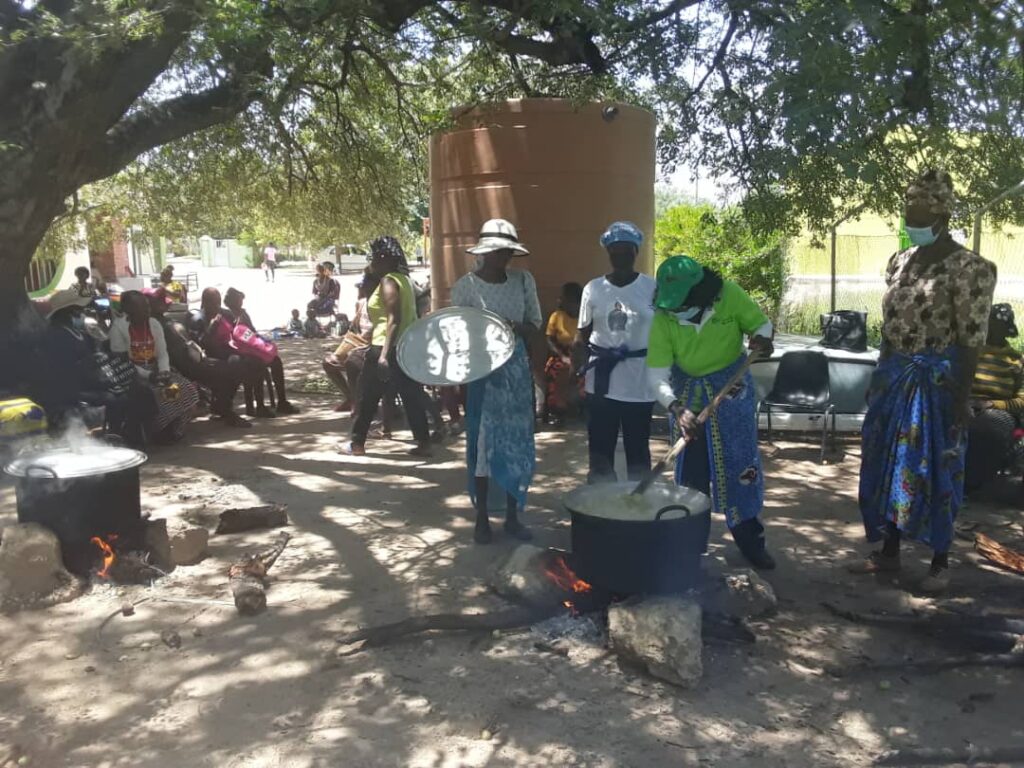
- Some support groups received land and funds for income-generating activities, such as gardening, helping them to become financially independent
Village Savings and Loans
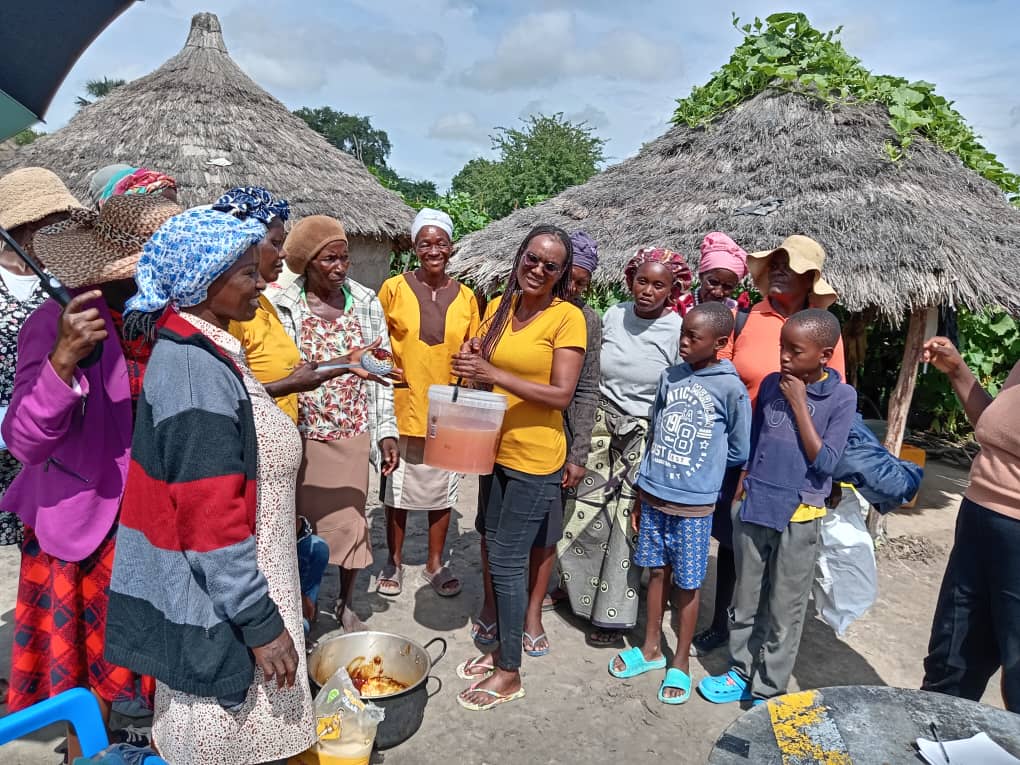
A Village Savings and Loan Group (VSLG) is a group of 10 – 25 people who save together and take small loans from those savings. The activities of the VLS run in ‘cycles’ of about one year, after which the accumulated savings and profits are shared out among the members according to the amount
The inclusion of income-generating activities, such as VSL, boosts financial independence and commitment to group activities among support group members. These activities include gardening, farming, poultry management, food production, clothing production, etc., which lead to greater economic advancement.
By addressing financial barriers to healthcare, VSL increases group resilience, leading to better health outcomes.
Collaboration with Stakeholders
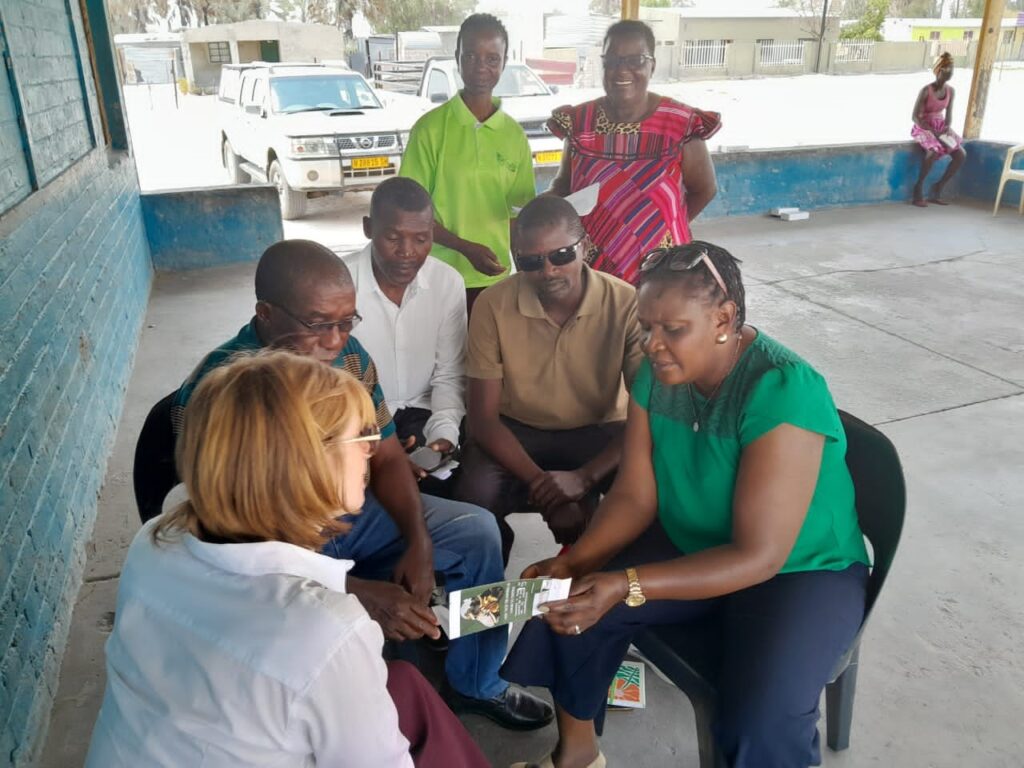
Collaboration with stakeholders has proven to be a vital strategy for strengthening the sustainability, reach, and impact of HIV and AIDS interventions. By fostering partnerships across sectors, the project has enhanced community engagement, improved service delivery, and promoted ownership at both local and regional levels.
Through joint planning and implementation, stakeholders have supported capacity building, community mobilization, and the integration of essential health services. These partnerships have also enabled effective knowledge sharing, helped address service gaps, and increased access to health information. The collective effort has also created opportunities for income generation, leadership development, and broader public awareness.
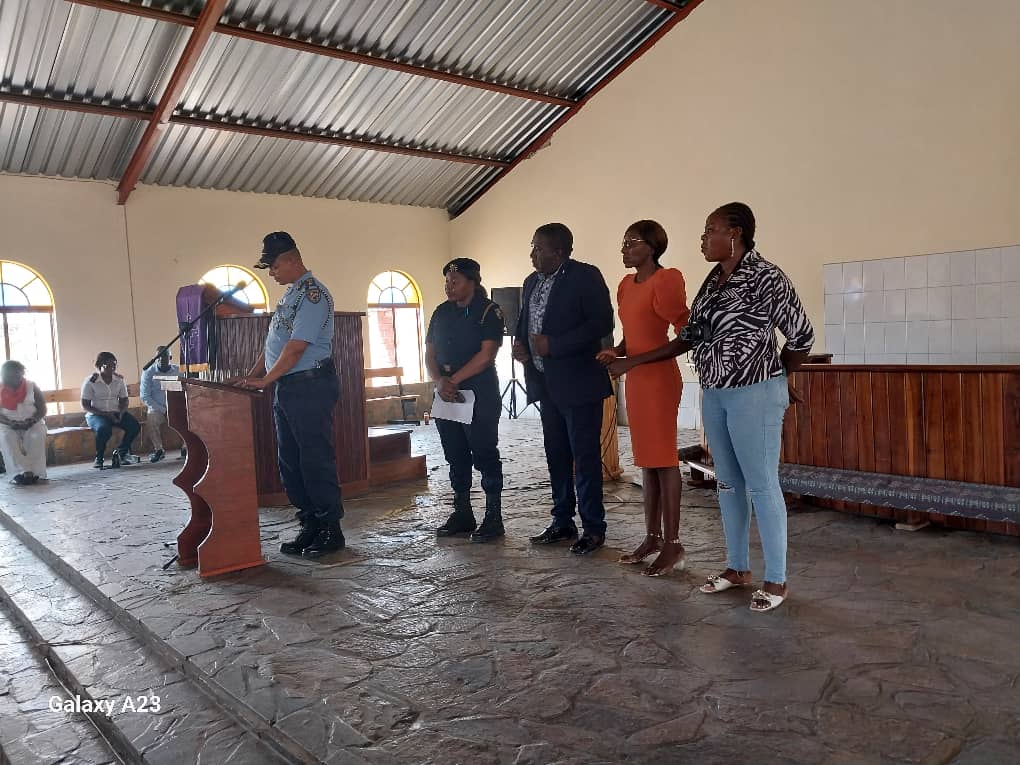
Engaging traditional and local leaders has been especially valuable in fostering trust, reducing stigma, and mobilizing communities. Their influence and endorsement have encouraged broader participation.
Such collaboration demonstrates the value of multi-sectoral engagement in achieving a more coordinated and community-driven response to HIV and AIDS—one that is sustainable, inclusive, and responsive to local needs.
Sports as An Engagement Tool
Tailoring program initiatives in a way that resonates with the targeted group (e.g., according to gender, age, occupation, etc) is key for effective engagement.
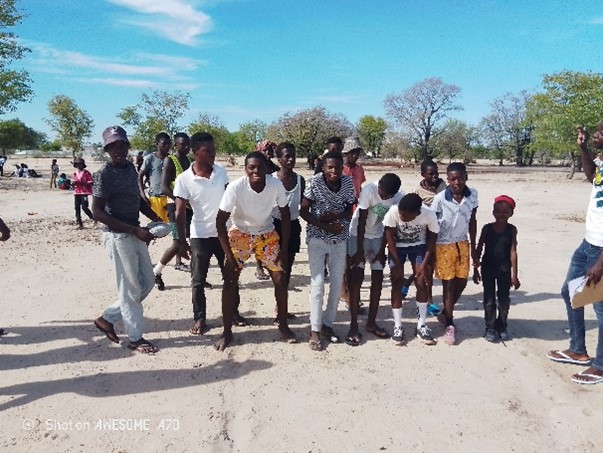
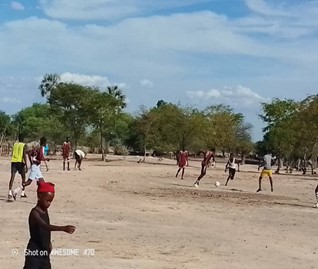
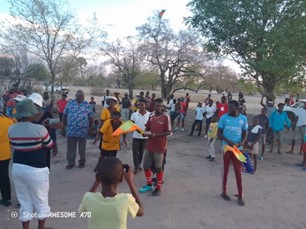
Sports has proven to be a valuable medium for attracting and engaging young boys and youth. These activities, such as soccer tournaments, create a fun and inclusive environment where critical messages about health and social issues can be shared; and where the youth’s own stories, challenges, and ideas can be expressed.
We have found that offering prizes to the winning teams motivates the participants to fully commit to the event, making the tournament more exciting and competitive.
Capacity-Building is Key
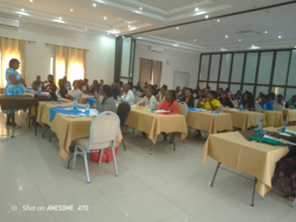
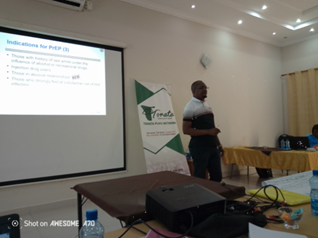
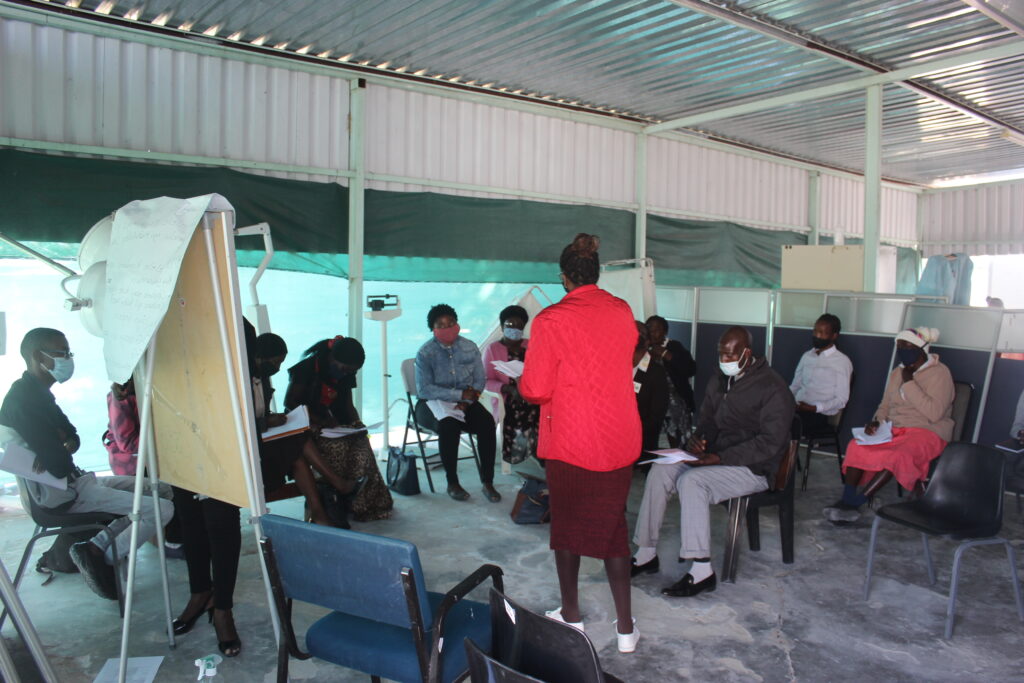
Capacity-building plays a critical role in enhancing the effectiveness of community-led intervention. All Tonata programming begins with—and is continuously supported by—mobilizer trainings, which strengthen their ability to engage communities effectively. Trainings focus on developing skills in the following areas:
- Health promotion: mobilizers are equipped with in-depth knowledge about key health topics and trained to communicate effectively about how these issues affect the community, ensuring consistent and accurate messaging
- Community Engagement and Advocacy: Mobilizers are trained to strengthen their engagement with communities, fostering trust and creating awareness about health promotion and economic opportunities. They are also prepared to address barriers such as stigma, misinformation, and logistical challenges.
- Economic Strengthening Initiatives: Recognizing the link between economic stability and health outcomes, the trainings include sessions on economic strengthening strategies. Mobilizers are taught how to promote sustainable economic activities within support groups, such as Village Savings and Loan (VSL) systems, which empower members to improve their livelihoods.
Investing in the skills development of community health workers is critical for an effective and sustainable HIV response. It not only recognizes the leadership of communities in driving health systems but also equips them to do so effectively.